How to Choose the Right Web Hosting for Your Business

Updated: Jun 30

Introduction to Web Hosting
A reliable web hosting service is the foundation of every successful business website. It stores your website’s files, databases, and content on secure servers, making them accessible to visitors 24/7. Choosing the right web hosting provider directly impacts your website’s speed, security, uptime, and overall user experience. A fast and dependable website not only improves customer satisfaction but also helps boost search engine rankings, making it easier for potential customers to find your business online.
For small and growing businesses, selecting the right hosting plan is an important investment. Different websites have different hosting requirements based on traffic, storage, security, and scalability. Understanding these factors before making a decision can save you money while ensuring your website performs efficiently as your business grows. In this guide, you'll learn how to evaluate your website's needs, compare hosting options, identify essential features, and choose a web hosting solution that supports your long-term business success.
Understand Your Business Website Needs
Before choosing a web hosting provider, it's essential to understand your business website's specific requirements. Consider the type of website you plan to build, whether it's a business portfolio, blog, eCommerce store, or service-based website, as each has different hosting needs. Estimate your expected website traffic, storage space, and bandwidth to ensure your hosting plan can handle current and future growth. You should also think about features such as email hosting, SSL certificates, automatic backups, and scalability. By identifying these needs in advance, you can select a hosting solution that delivers reliable performance, strong security, and the flexibility to support your business as it expands.

Types of Web Hosting Explained (Shared, VPS, Cloud & Dedicated)
Choosing the right type of web hosting is essential for your website's performance, security, and scalability. Shared Hosting is the most affordable option, making it ideal for small businesses and new websites with low traffic, as multiple websites share the same server resources. VPS (Virtual Private Server) Hosting offers dedicated resources within a shared server, providing better speed, control, and reliability for growing businesses. Cloud Hosting uses multiple connected servers to deliver high uptime, flexibility, and easy scalability, making it perfect for websites with changing traffic levels. Dedicated Hosting gives your business an entire server exclusively for your website, ensuring maximum performance, security, and customization for large businesses or high-traffic websites. Understanding these hosting types will help you choose a solution that matches your business goals, budget, and future growth.

Key Features to Look for in a Web Hosting Provider
Selecting the right web hosting provider involves more than just comparing prices. Look for a hosting service that guarantees at least 99.9% uptime to keep your website accessible at all times. Fast server performance, SSD or NVM storage, and a reliable content delivery network (CDN) help improve loading speed and user experience. Strong security features such as free SSL certificates, malware protection, firewalls, automatic backups, and DDoS protection are essential for protecting your website and customer data. You should also choose a provider that offers 24/7 customer support, easy website management through a user-friendly control panel, and the ability to upgrade your hosting plan as your business grows. By focusing on these key features, you can ensure your website remains fast, secure, and ready to support long-term business success.

Website Speed, Performance, and Uptime
Website speed, performance, and uptime are critical factors that directly affect user experience, search engine rankings, and business success. A fast-loading website keeps visitors engaged, reduces bounce rates, and increases the chances of conversions. High-performance hosting uses modern technologies such as SSD or NVMe storage, caching, optimized servers, and Content Delivery Networks (CDNs) to deliver web pages quickly across different locations. Equally important is uptime, which measures how often your website remains online and accessible. A reliable hosting provider should guarantee at least 99.9% uptime to minimize downtime and prevent lost traffic or revenue. By choosing a hosting provider that prioritizes speed, performance, and uptime, your business can provide a seamless browsing experience while improving SEO rankings and building customer trust.

Security Features Every Business Website Needs
Website security is essential for protecting your business, customer information, and online reputation. A reliable web hosting provider should include key security features such as a free SSL certificate to encrypt data and build customer trust, along with firewalls and malware scanning to block cyber threats. Regular automatic backups ensure your website can be restored quickly if data is lost or compromised, while DDoS protection helps prevent attacks that can make your website unavailable. Additional features like two-factor authentication (2FA), secure password management, automatic software updates, and spam protection further strengthen your website’s defenses. Investing in these security features helps safeguard sensitive data, improves website reliability, and creates a safe browsing experience for your customers.

Compare Hosting Costs and Pricing Plans
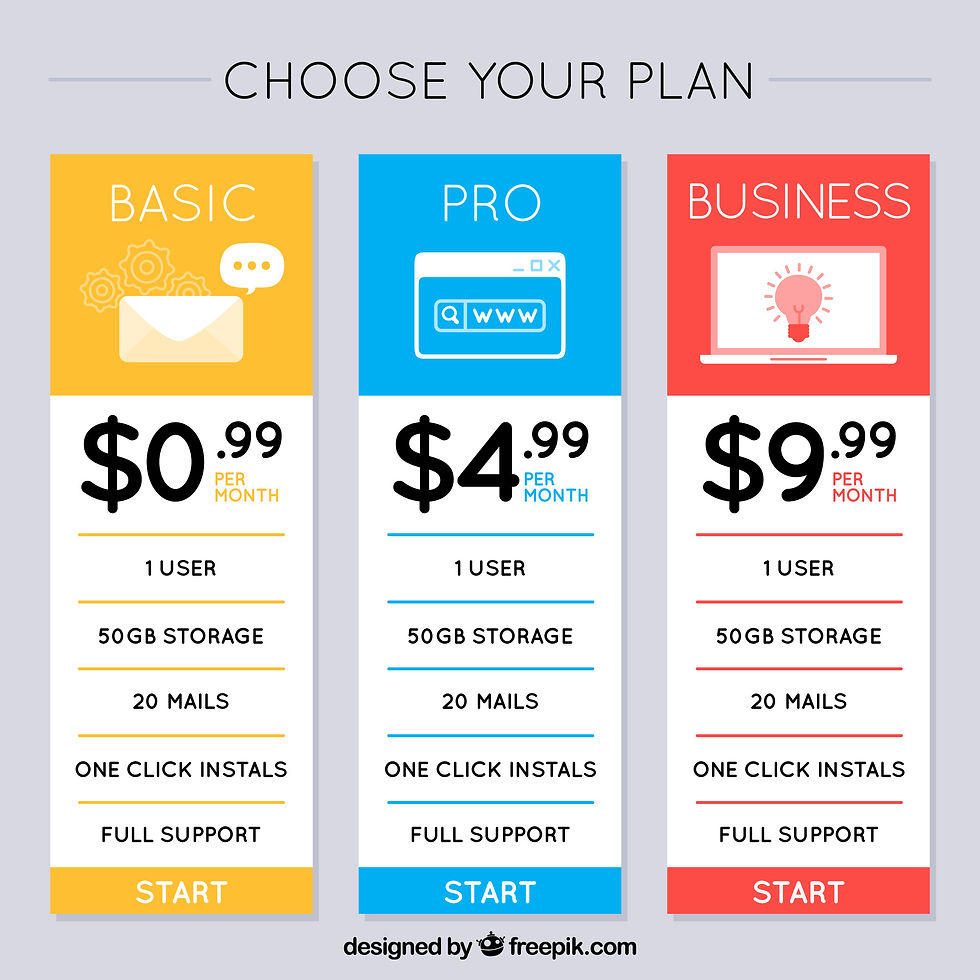
Comparing web hosting costs and pricing plans is essential to ensure you get the best value for your business. While low introductory prices may seem attractive, it's important to review the renewal rates, hidden fees, and the features included in each plan. Compare factors such as storage, bandwidth, SSL certificates, email accounts, backups, security features, customer support, and scalability before making a decision. Choose a hosting plan that matches your current website needs while allowing room for future growth without requiring an expensive migration. Investing in a reliable hosting provider with transparent pricing and comprehensive features can save money in the long run while ensuring your website remains fast, secure, and consistently available.
Common Mistakes to Avoid When Choosing Web Hosting.
From a business and budget perspective, one of the biggest mistakes is choosing web hosting based only on the lowest price without evaluating performance, security, and support. Cheap hosting can lead to slow website speeds, downtime, and lost sales, which often cost more than the savings on monthly fees. Another common mistake is ignoring future growth; selecting a plan that cannot scale may force an expensive migration later. Businesses also underestimate the importance of uptime guarantees, backups, SSL certificates, malware protection, and 24/7 customer support, increasing operational and reputational risk. Failing to compare renewal prices and hidden costs can significantly impact long-term ROI. The smarter approach is to choose a hosting provider that balances cost, reliability, security, and scalability, ensuring predictable expenses and supporting business growth without unnecessary disruptions.

Conclusion: Choosing the Best Web Hosting for Long-Term Business Growth
Choosing the right web hosting provider is a crucial decision that can significantly impact your business's online success. The ideal hosting solution should offer the right balance of performance, security, reliability, scalability, and affordability while meeting your current website requirements and supporting future growth. By carefully evaluating your business needs, comparing hosting types, reviewing essential features, and avoiding common mistakes, you can make a confident and informed decision. Investing in a high-quality web hosting service ensures faster website performance, stronger security, improved SEO rankings, and a better user experience. Ultimately, the right hosting provider creates a solid foundation for long-term business growth, helping your website remain reliable, competitive, and ready to meet the demands of an expanding online presence.


Comments